The Camino de Santiago in autumn: the Sarria–Portomarín stage
Summer ends, the days get shorter and Galicia's intense greens start to mix with ochres, yellows and browns. For many pilgrims, this is precisely when one of the most special times to walk the Camino de Santiago in autumn begins.
And there is one stage where this change of season is especially enjoyable: Sarria–Portomarín.
It is about 22 kilometres of the French Way through villages, meadows and woods before you reach the banks of the river Miño and arrive in Portomarín. A lovely walk at any time of year, but one that takes on a completely different feel in autumn.
With fewer people than in the peak months, the Camino also feels somewhat calmer. Several specialist guides put the busiest period for pilgrims between May and September and note that, as autumn arrives, the route gradually becomes quieter.
If you are looking for nature, silence and another way of experiencing the French Way, this could be your season.
The Camino de Santiago in autumn: from Sarria to Portomarín through woods and tranquillity
Why walk the Camino de Santiago in autumn?
Every season changes the Camino experience.
In autumn, some of the frantic pace of summer disappears and the landscape takes centre stage. Galicia's country paths run through deciduous woods, meadows and small villages where the change of season is especially visible.
But the appeal isn't just in the photos.
A quieter Camino
As autumn goes on, there are fewer pilgrims than in the busiest months. This can mean less crowded paths and a somewhat calmer experience.
It doesn't mean walking completely alone, or that there is always accommodation available, especially on certain weekends, but the atmosphere can be very different from July or August.
The Galician landscape changes colour
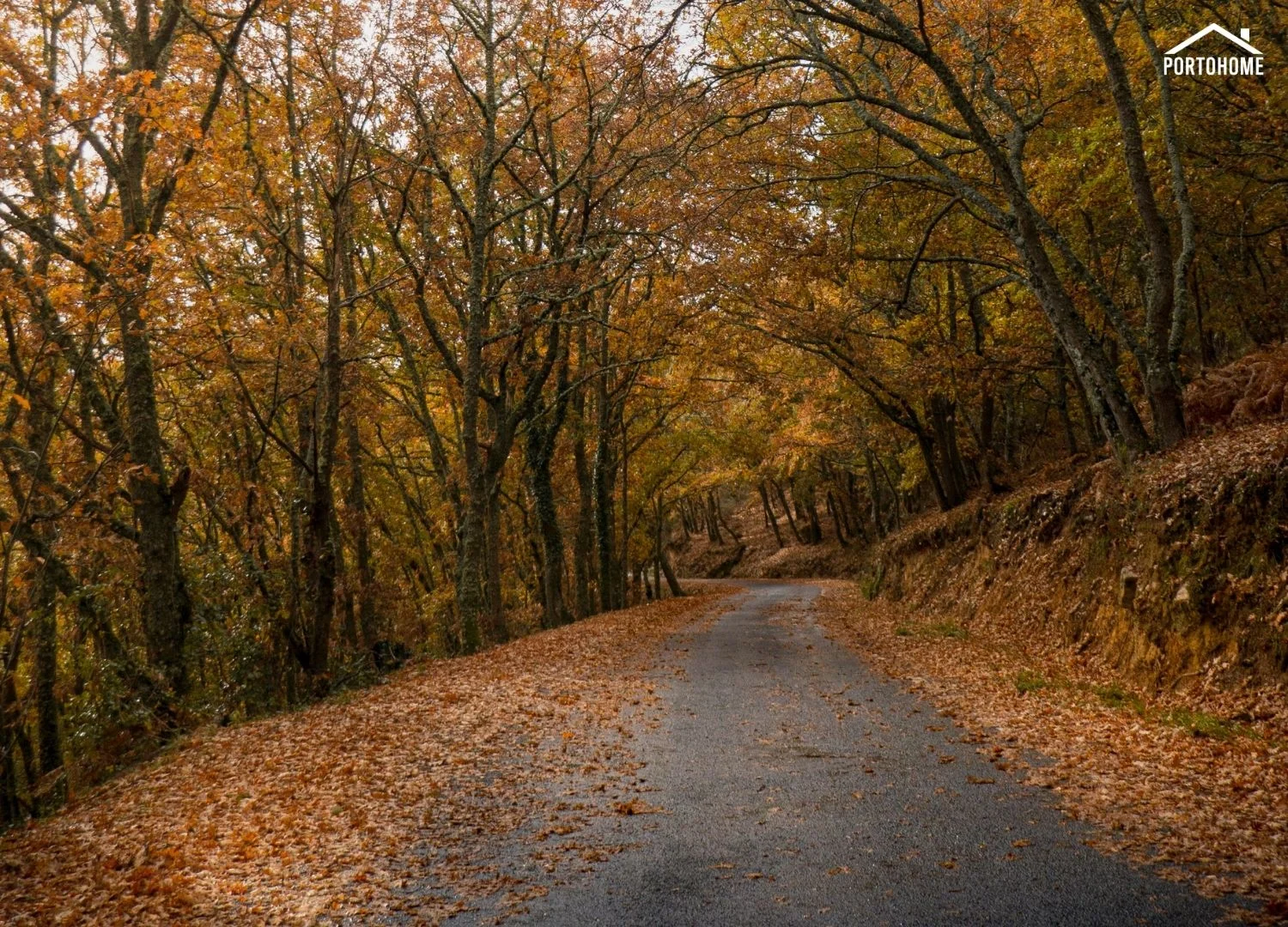
Oaks, chestnut trees, meadows and country lanes accompany much of the route.
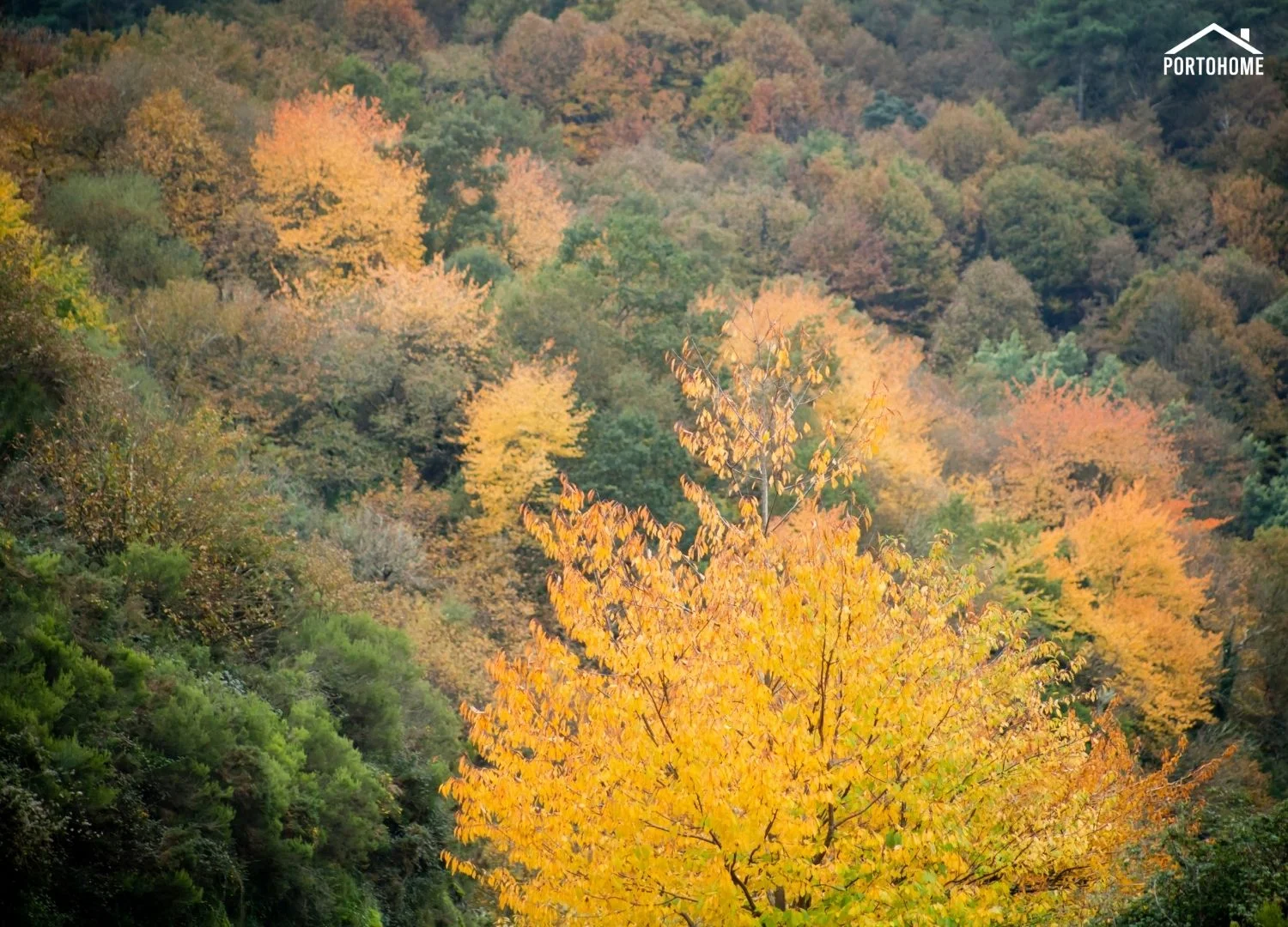
As September and October go on, the landscape starts to mix greens with yellows, reds and ochres. The damp and the first fallen leaves add that typical image of autumn in inland Galicia.
For those who love photographing the Camino, this is probably one of its biggest attractions.
Better temperatures for walking
Another plus is leaving the hottest days behind.
Conditions can be more comfortable for walking long distances, although Galician autumns mean you need to be ready for changing weather, rain and cooler mornings.
That's why gear matters especially at this time of year.
Sarria–Portomarín stage: 22 kilometres of the French Way
The day begins by leaving Sarria behind, crossing the A Áspera bridge and carrying on towards Barbadelo.
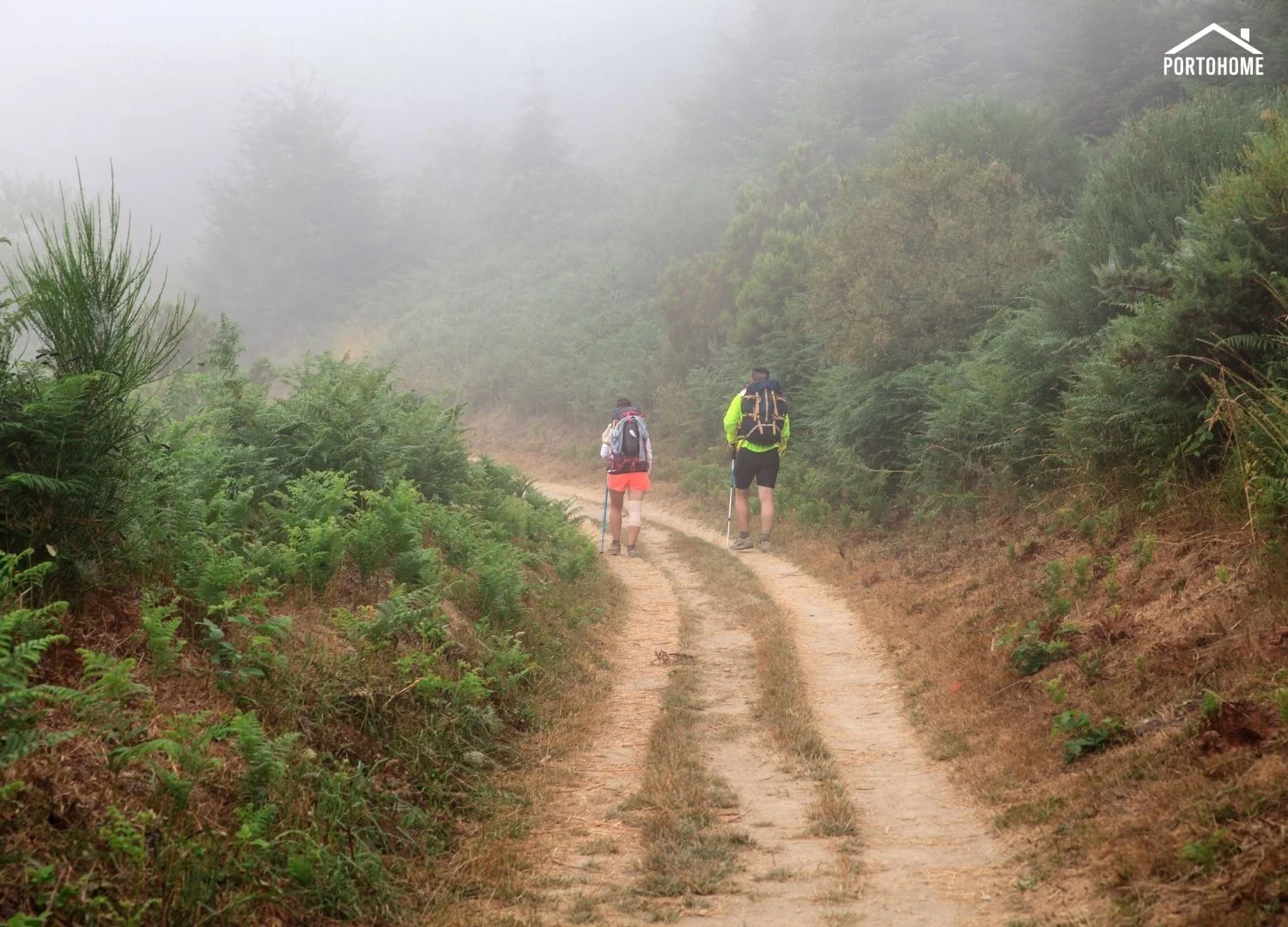
From there, much of the rural Galicia that many travellers imagine before starting the Camino appears: dirt tracks, small hamlets, farms, meadows and woodland.
The route then crosses the municipality of Paradela before starting the descent towards the banks of the river Miño.
It is precisely this kind of landscape that makes walking Sarria–Portomarín in autumn so appealing.
The route doesn't change.
What changes is everything around it.
From the woods to the river Miño: arriving in Portomarín
After kilometres of country paths, the landscape changes again as you approach the Miño.
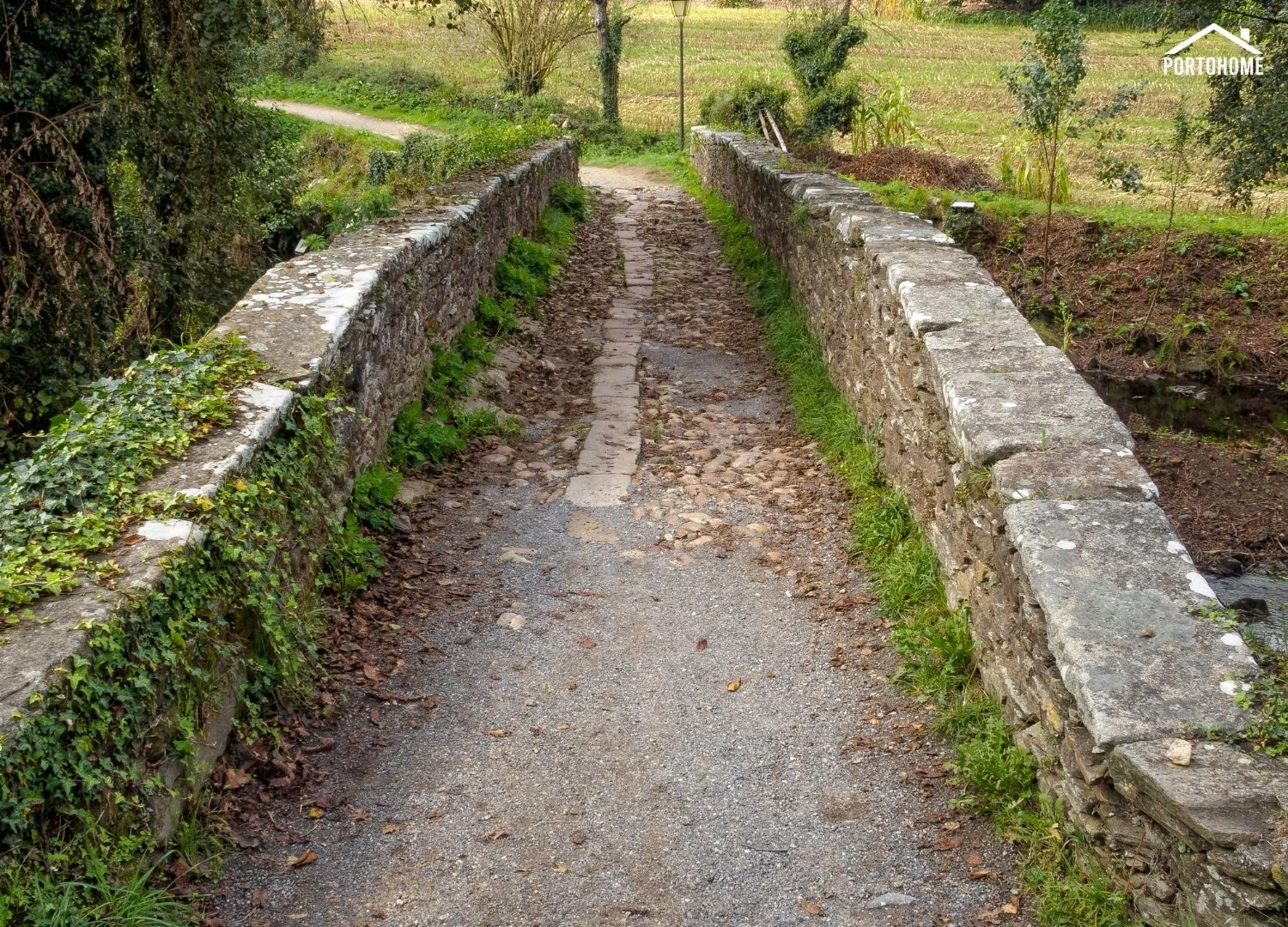
The bridge across the river is one of the most recognisable moments of this stage and announces your arrival in Portomarín, one of the most iconic towns on the French Way.
Here the river isn't just scenery.
The construction of the Belesar reservoir in the 20th century meant the old Portomarín had to be moved to where it stands today. When the water level drops far enough, remains of the old town can become visible. The official Camino documentation mentions, among other things, the ruins of the old Roman-medieval bridge.
The arrival is completed by another moment every pilgrim remembers: climbing the great staircase and entering Portomarín after leaving the day's kilometres behind.
Then it's time for something just as important: rest.
Tips for walking Sarria–Portomarín in autumn
Autumn has many advantages, but it also means preparing the stage differently from summer.
Always carry a rain jacket
Even if the morning starts clear, the weather can change.
A light rain jacket or a good waterproof poncho should be part of your basic kit. It is also useful to protect your backpack and anything you don't want to find wet at the end of the day.
Wear footwear suited to wet ground
Leaves, damp and rain can make some dirt stretches more slippery.
Comfortable, worn-in footwear with good grip is a much better companion than brand-new boots on the first day of the Camino.
Dress in layers
The difference between early morning and midday can be significant.
Several light layers let you adapt better than one very thick garment.
Keep daylight hours in mind
In autumn the days get steadily shorter.
It's best to start the stage early and not rely on summer timings. Twenty-two kilometres are a different matter with plenty of daylight than at the end of an October afternoon.
And before you set off, always check the latest weather forecast.
Arriving in Portomarín… and staying a little longer
After about 22 kilometres, Portomarín deserves more than just dropping your backpack, having dinner and going to bed.
You can visit the Church of San Nicolás, wander its streets or head back down to the Miño to enjoy the landscape without the pace of the stage.
After a day of walking, what you want from accommodation changes quite a bit.
A relaxed shower, being able to wash your clothes, having room to sort out your things and getting a proper rest before putting your boots back on the next day all start to matter a great deal.
If you are looking for accommodation in Portomarín on the Camino de Santiago, PortoHome has holiday homes and apartments designed for pilgrims as well as couples, families and groups.
The homes are in Portomarín and come in different sizes. PortoHome also has options with a washing machine, kitchen, Wi-Fi and other comforts that are especially practical on a multi-day route.
Sleeping in Portomarín means waking up with another stage ahead.
The next day of the French Way leads to Palas de Rei. According to the official documentation, it is about 25 kilometres and the route continues through places such as Gonzar and Castromaior.
That's exactly why resting properly after Sarria–Portomarín is no minor detail.
Walking the Camino de Santiago in autumn means accepting that it may rain, that the days are shorter and that you'll need to check the sky now and then before setting off.
But it also means walking through oak woods starting to change colour, following quieter paths and reaching the Miño after crossing a rural Galicia that seems to move at another pace.
The Sarria–Portomarín stage brings together many of these feelings in just 22 kilometres.
And at the end, Portomarín offers exactly what you want after a good day on the Camino: a place to stop, discover a little more… and rest before walking again.
If your Camino passes through Portomarín this autumn, check out PortoHome's homes and plan a stop where rest is also part of the experience.