2027 Jacobean Holy Year: dates, jubilee, Compostela and where to stay in Portomarín
The 2027 Jacobean Holy Year begins on 31 December 2026 with the opening of the Holy Door of Santiago Cathedral. It will be the first Compostelan Holy Year since 2021-2022, and everything suggests it will be the year with the most pilgrims in the history of the Camino.
If you are thinking of walking the Camino de Santiago in 2027, here is what you need to know: dates, how to obtain the jubilee, how to get the Compostela and why it pays to book accommodation early, especially on stages such as Sarria–Portomarín.
What is the Jacobean Holy Year and why 2027?
The Jacobean Holy Year, also called Xacobeo or Compostelan Holy Year, is celebrated when 25 July, the feast of Saint James the Apostle, falls on a Sunday. In 2027 that is the case.
It happens about 14 times a century, at intervals of 11, 6, 5 and 6 years. The previous one was 2021, which was extended into 2022 because of the pandemic. The next ones will be 2032, 2038 and 2049.
There are two different things: the Holy Year is the religious celebration organised by the Church, and Xacobeo 2027 is the cultural and tourism programme of the Xunta de Galicia, with concerts, events and extra services for pilgrims throughout the year.
Xacobeo 2027, the Compostelan Holy Year.
Key dates of the 2027 Holy Year
Date
What happens
31 December 2026, at midday
The Archbishop of Santiago opens the Holy Door of the Cathedral. The Holy Year begins.
All of 2027
The Holy Door stays open and the jubilee can be obtained on any day of the year.
15 to 18 July 2027
European Youth Pilgrimage (PEJ27), with thousands of young people from all over Europe in Santiago.
25 July 2027 (Sunday)
Feast of Saint James the Apostle, the big day of the Holy Year.
End of 2027 (exact date to be announced)
Closing of the Holy Door and end of the Holy Year.
Demand will be higher in summer, especially around 25 July and the European Youth Pilgrimage. The motto of the Holy Year is “When they saw the star, they were overjoyed” (Matthew 2:10).
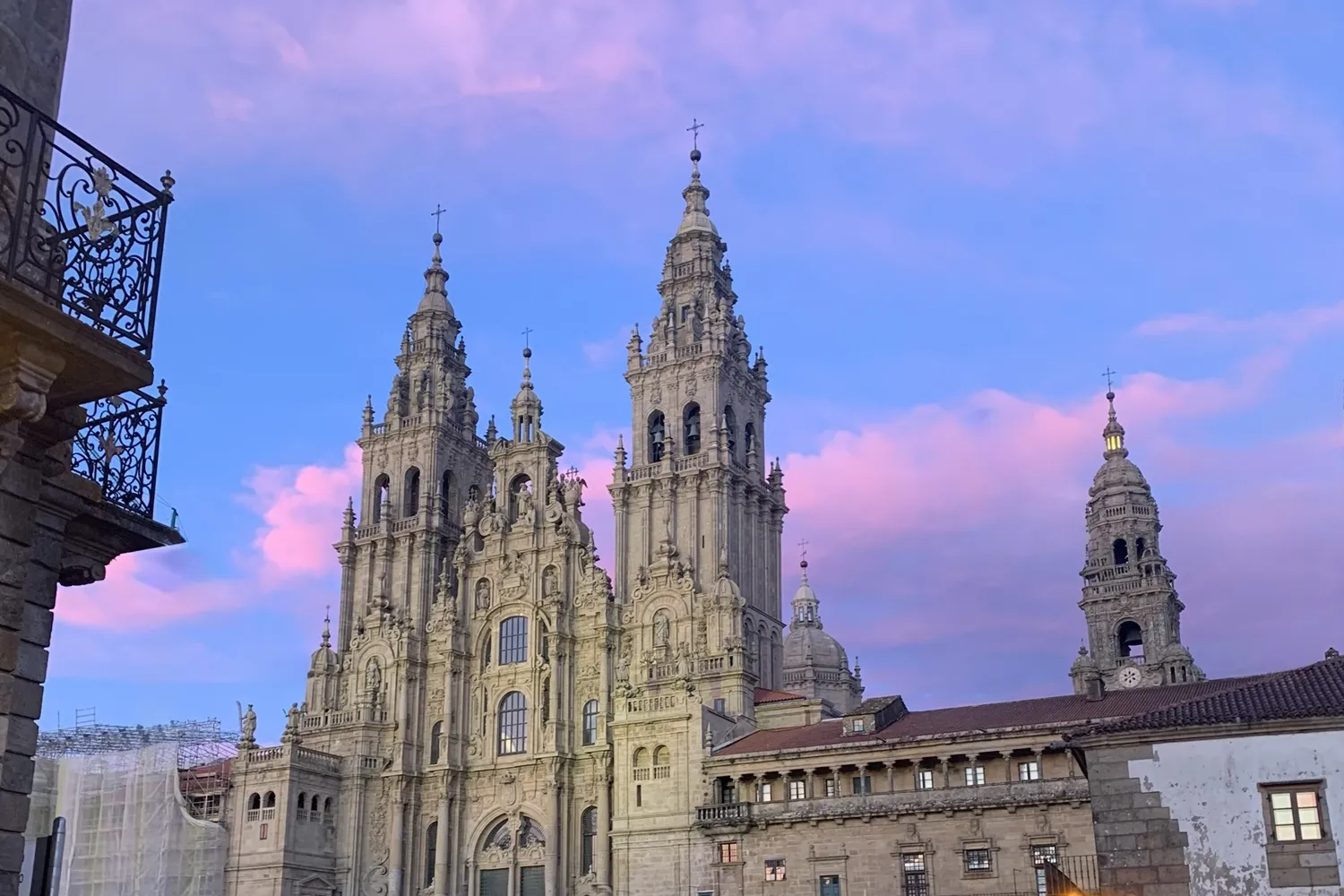
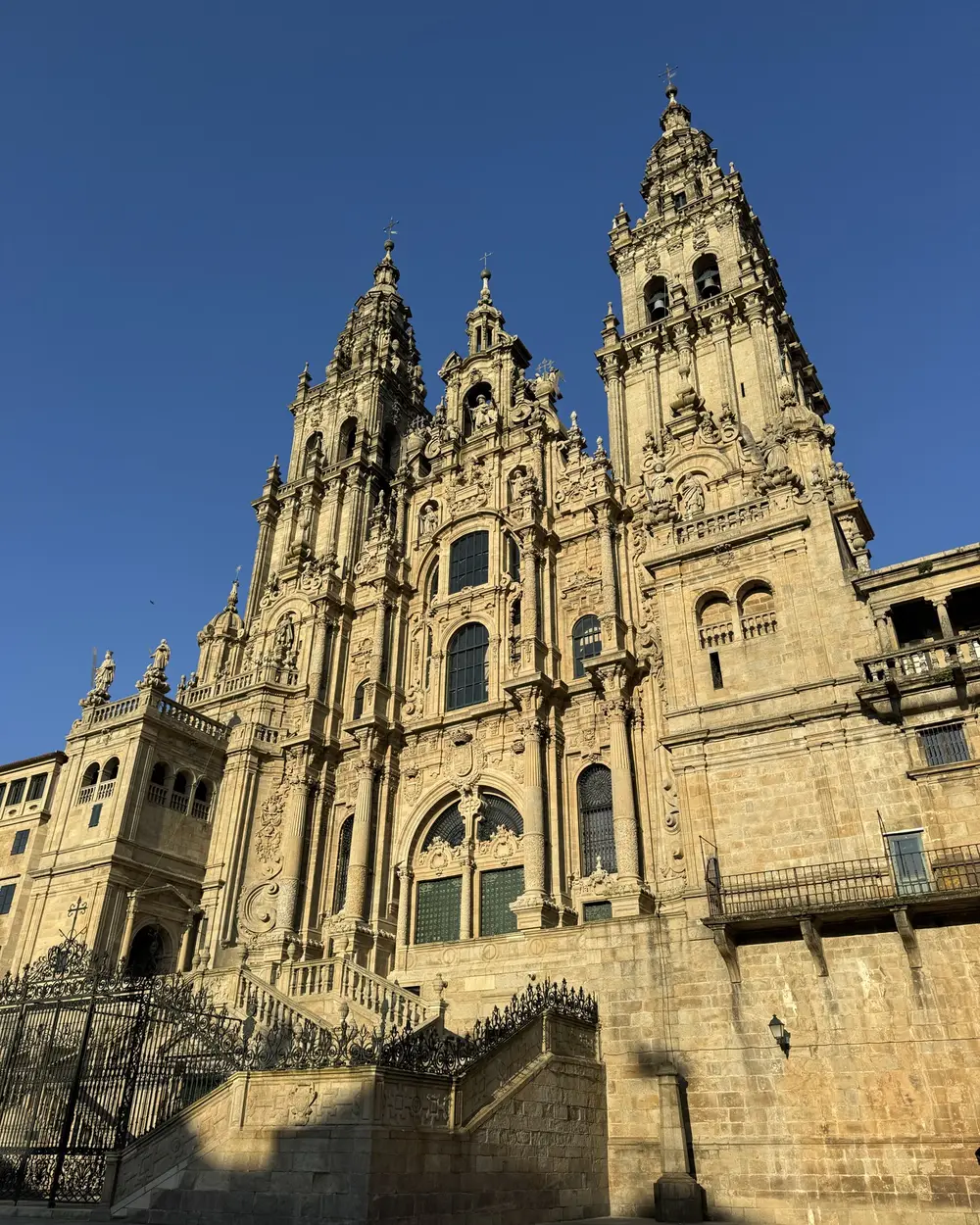
The Obradoiro façade of Santiago Cathedral.
How to obtain the jubilee in the 2027 Holy Year
During the Holy Year, the Church grants a plenary indulgence (the jubilee) to anyone who meets these conditions:
Visit Santiago Cathedral, where the Apostle's tomb lies, on any day of the year.
Pray: the Creed, the Our Father and a prayer for the Pope's intentions are recommended.
Go to confession and receive communion within 15 days before or after the visit.
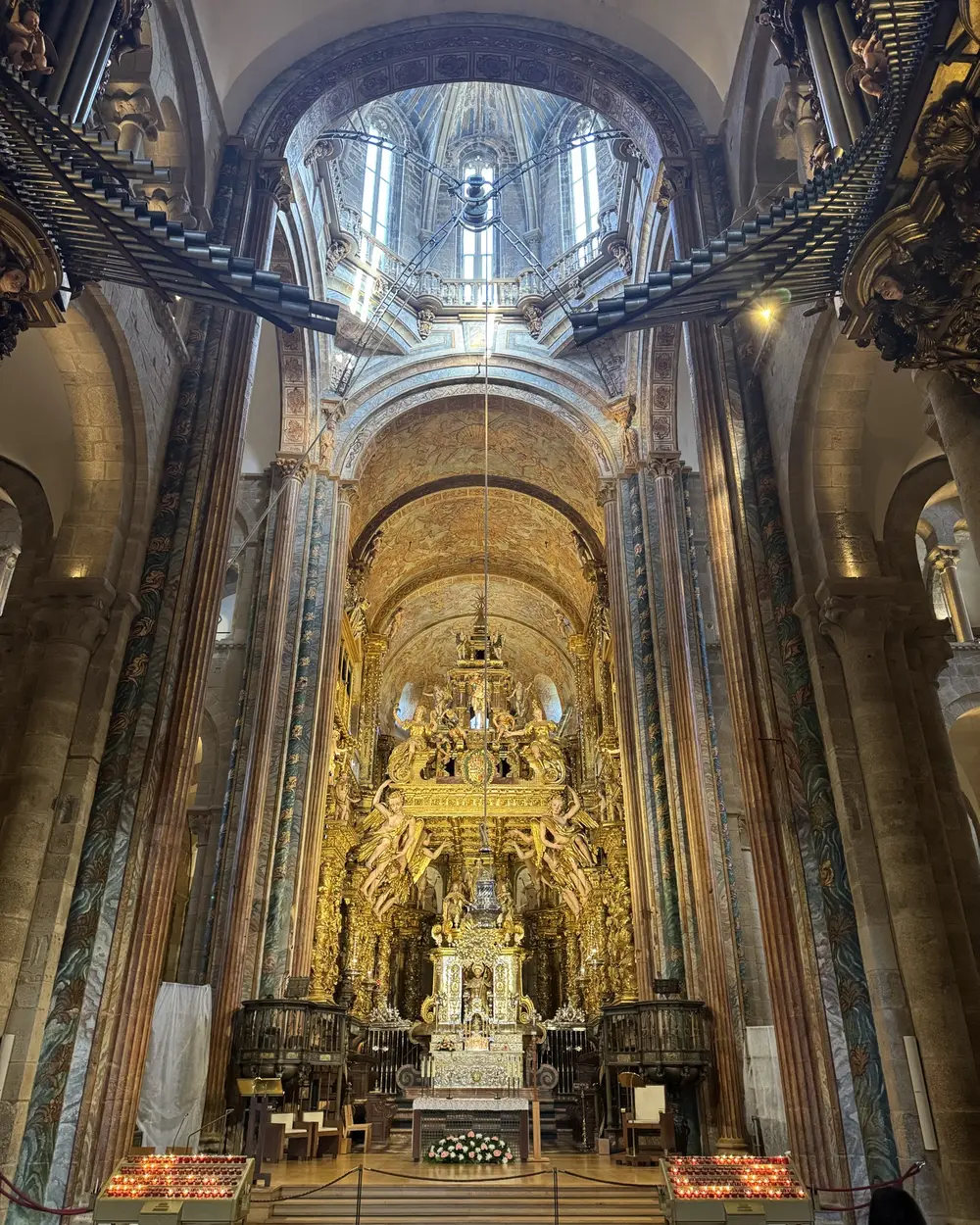
The high altar of the Cathedral, where the Camino ends and the jubilee is obtained.
How to get the Compostela in 2027
On foot or on horseback: cover at least the last 100 km without a break.
By bike: at least the last 200 km.
Pilgrim credential: get it stamped at the start and end of each stage, with the date.
The last 100 km start in Sarria: the most popular section for getting the Compostela.
How many pilgrims will there be in 2027?
The last Holy Year, 2022, ended with 438,307 Compostelas. In 2025, which was not a Holy Year, 530,987 were issued, the highest figure on record. The Xunta expects more visitors for Xacobeo 2027, so it is very likely to be the year with the most pilgrims in history.
Tips for booking accommodation in the 2027 Jacobean Holy Year
Book as early as possible if you are going in July or August.
Secure the key stages first, such as Sarria–Portomarín.
If you are travelling as a group or with family, a whole house gives you privacy, your own kitchen and the chance to stay together.
Consider spring or autumn: fewer people and easier to find a place.
The Santiago de Compostela letters, covered in boots and mementos left by pilgrims.
Sarria–Portomarín: the key stage of the Jacobean Holy Year
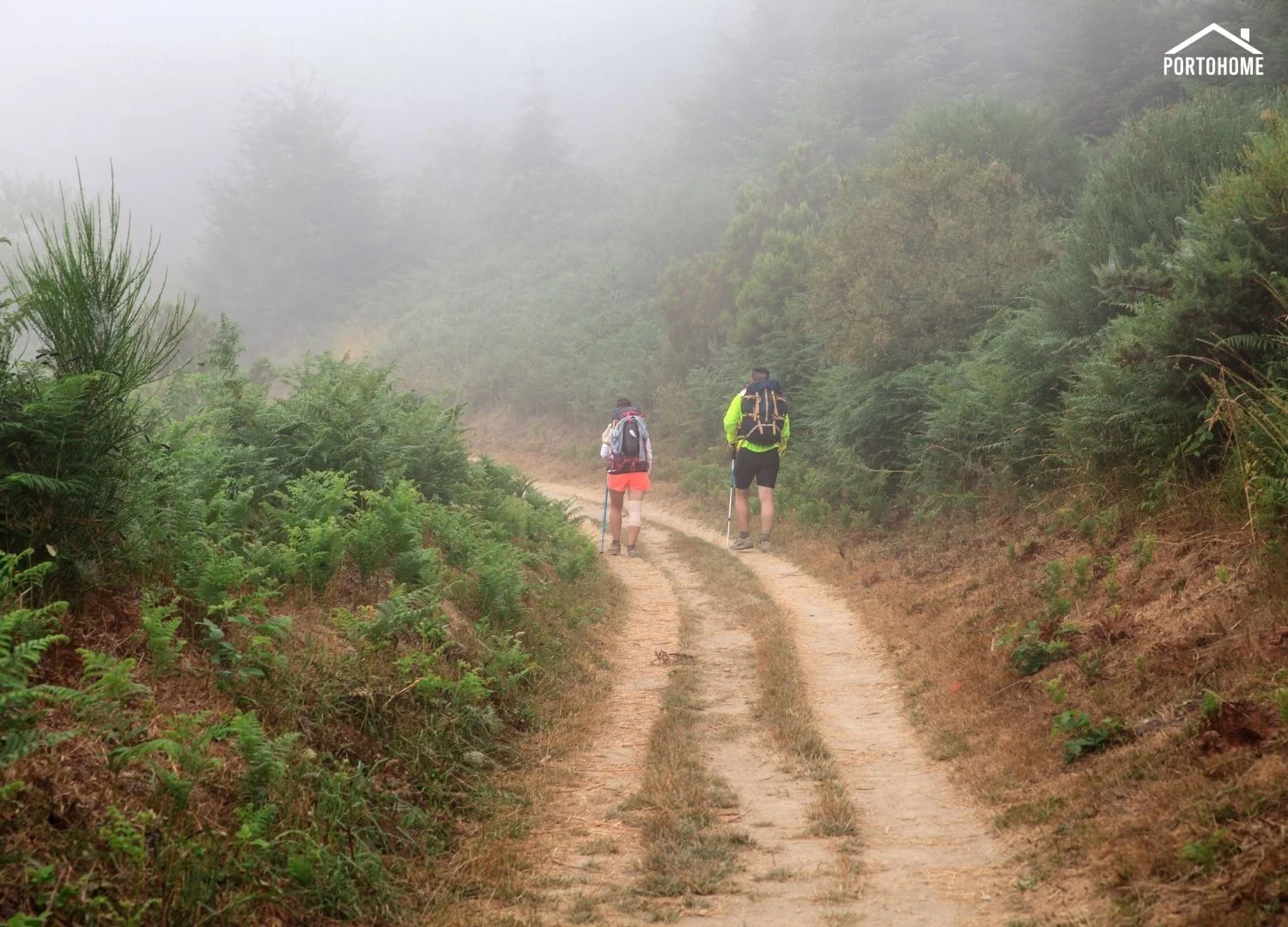
The Sarria–Portomarín stage is 22.2 km long and is the first of the last 100 km of the French Way. Along the way you pass the famous km 100 waymarker.
At the end of the stage, the Camino crosses the river Miño and enters Portomarín. When the Belesar reservoir was built in the 1960s, the old village was flooded and its monuments were moved stone by stone. The best known is the fortress-church of San Nicolás.
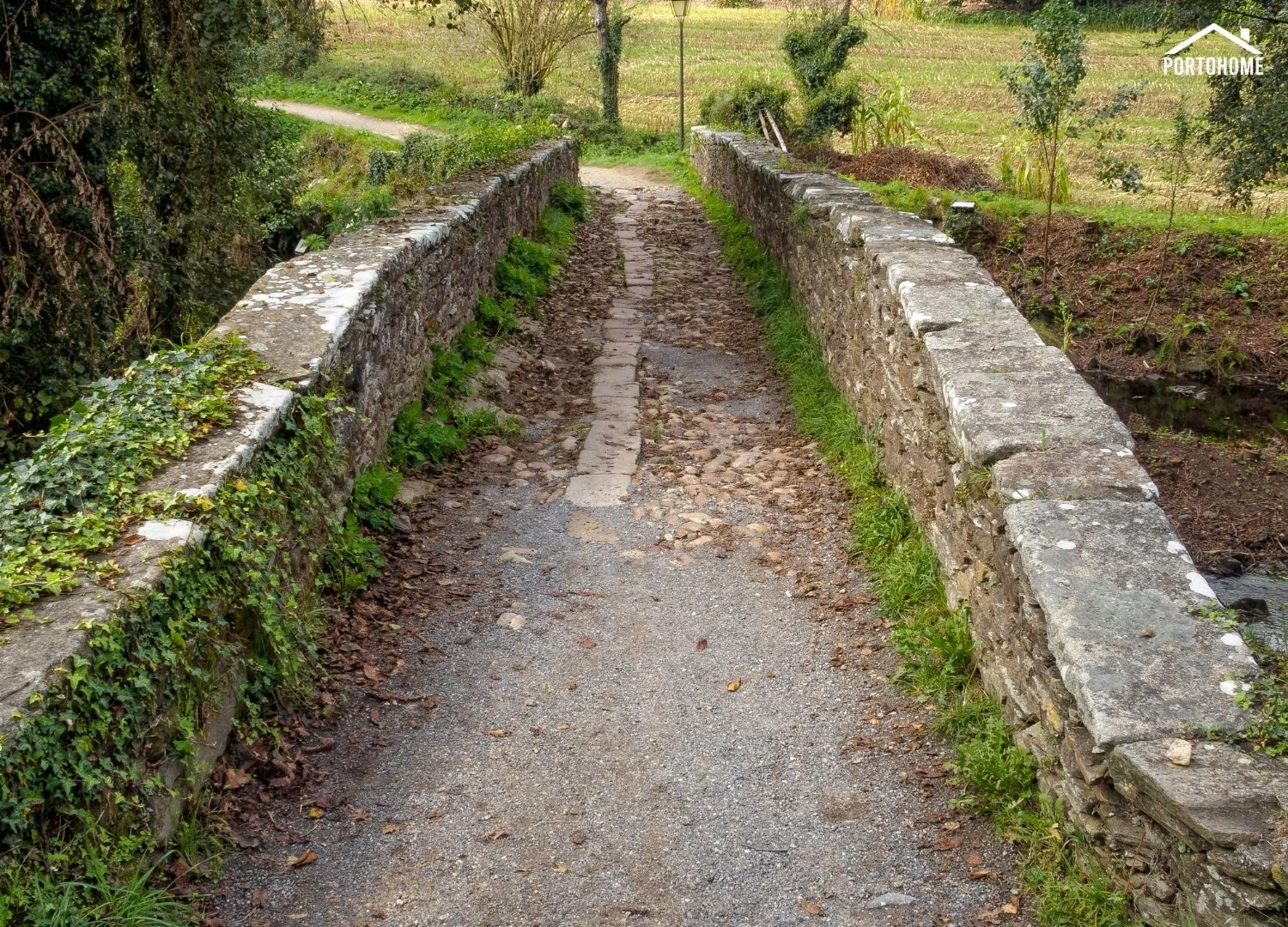
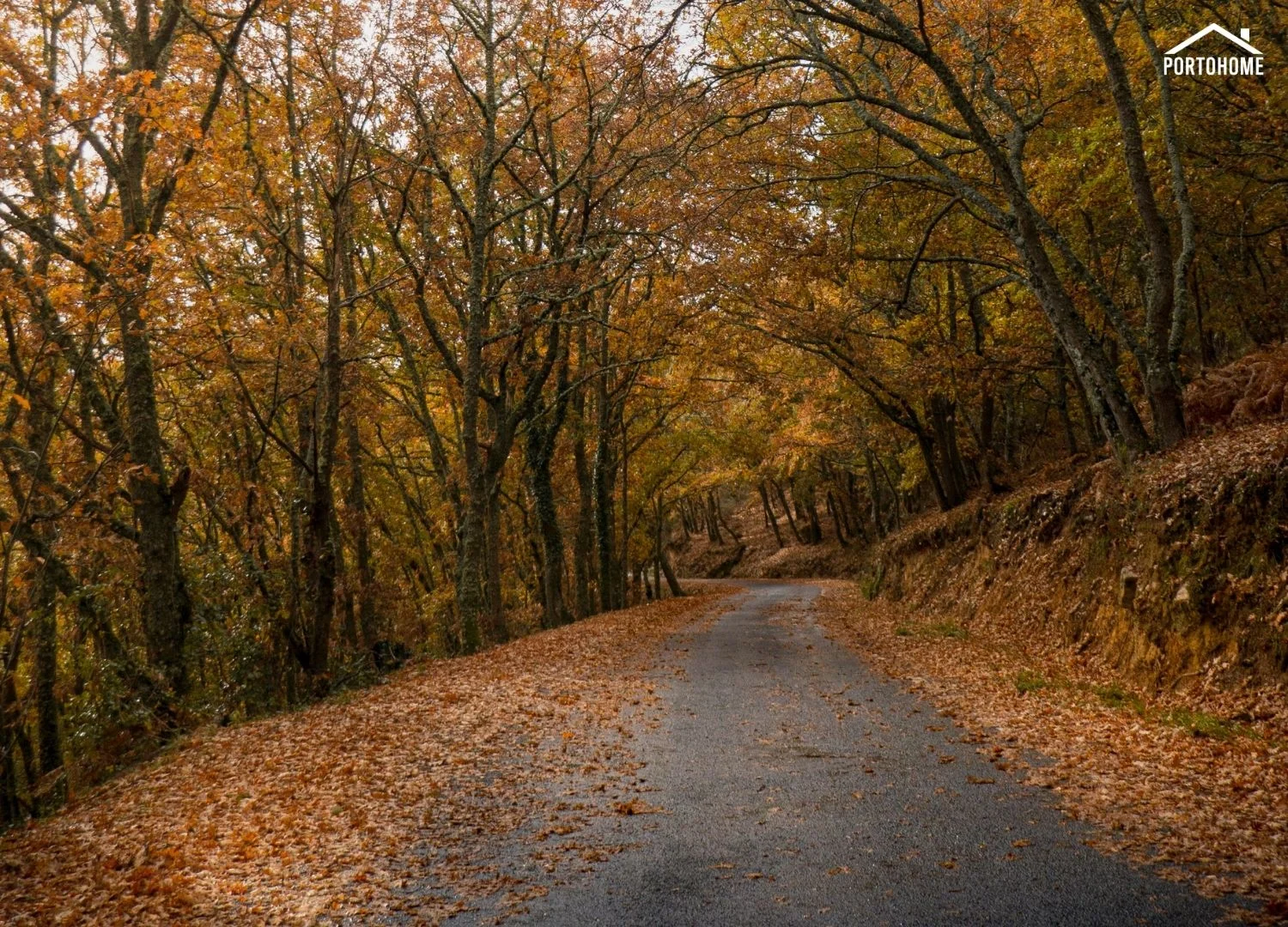
The French Way between oaks and chestnut trees, in the last 100 km.The church of San Nicolás, moved stone by stone to the new Portomarín.
Where to stay in Portomarín in the 2027 Jacobean Holy Year
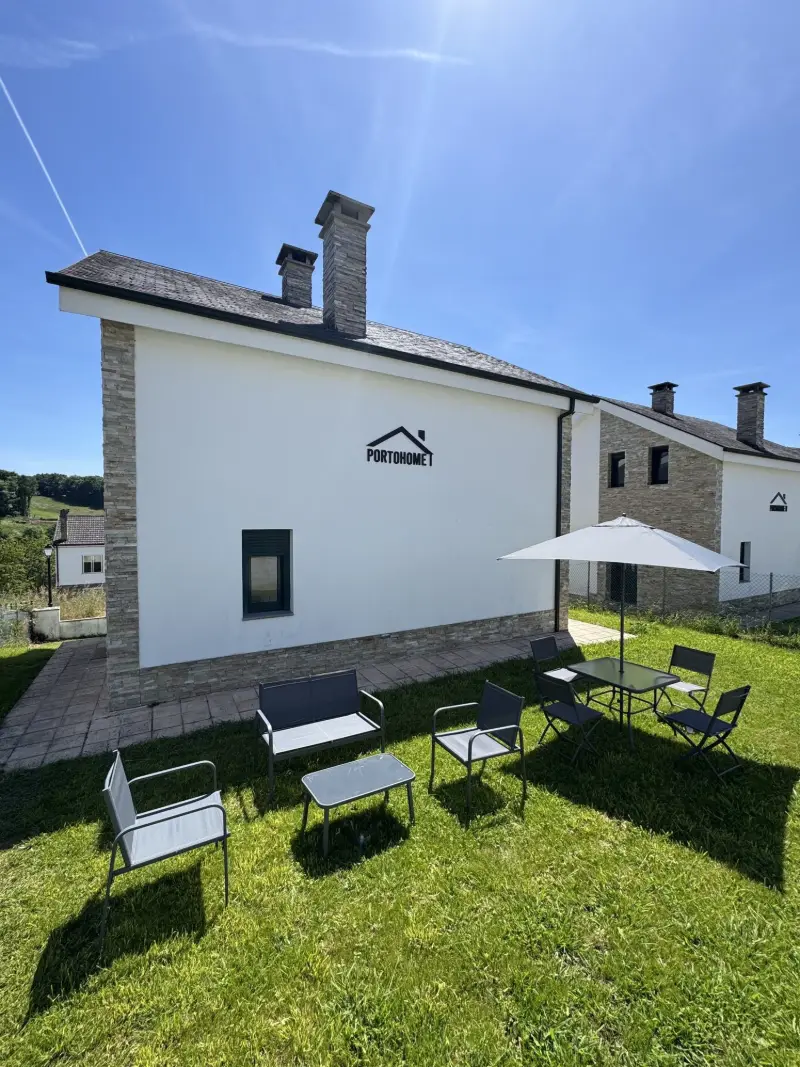
At PortoHome we have four holiday homes in Portomarín, designed for pilgrims who want a good rest:
They all have a fully equipped kitchen, washing machine, internet connection and parking included. And if you want to walk lighter, our website explains how the backpack transfer works.
Frequently asked questions about the 2027 Jacobean Holy Year
When does the 2027 Jacobean Holy Year begin?
On 31 December 2026, at midday, with the opening of the Holy Door.
Why is 2027 a Holy Year?
Because 25 July 2027, the feast of Saint James the Apostle, falls on a Sunday.
When will the next Holy Year be after 2027?
In 2032. After that come 2038 and 2049.
How long is the Sarria–Portomarín stage?
22.2 km. It is the first stage of the last 100 km of the French Way.
Book your accommodation in Portomarín for the 2027 Jacobean Holy Year
The Holy Year will not come round again until 2032. If you are walking the Camino in 2027, secure your rest in Portomarín now.