Discover the Castro de Castromaior, one of Galicia's great archaeological treasures
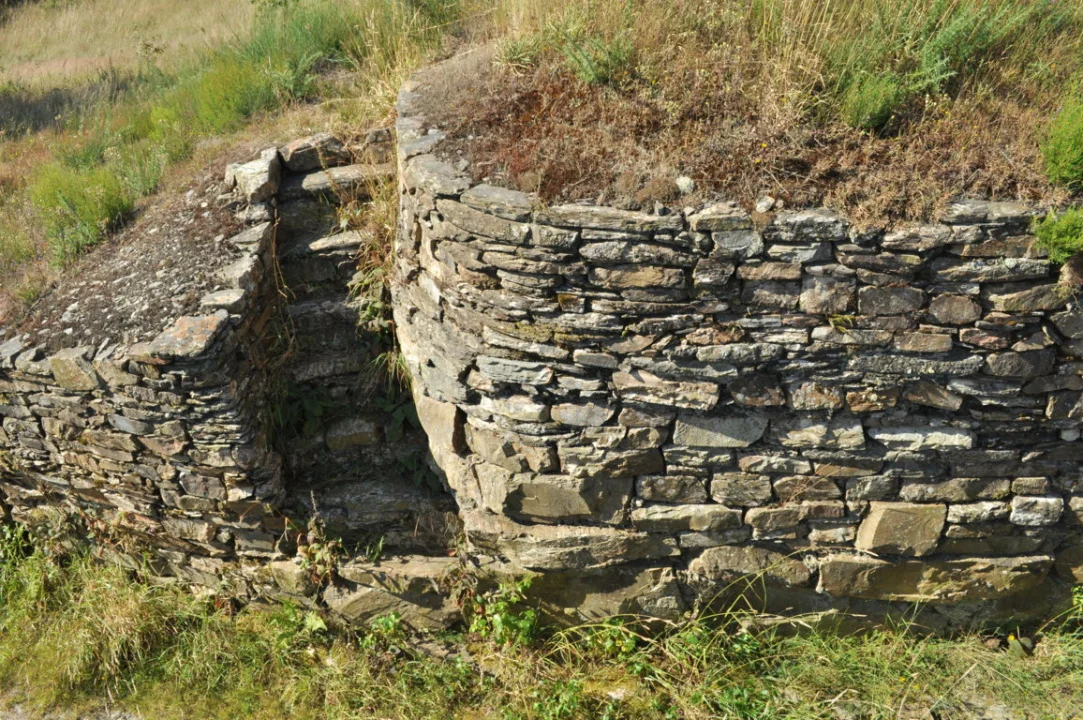
A few kilometres from Portomarín and right by the French Way, the Castro de Castromaior is one of the most important archaeological sites in north-west Spain. This ancient fortified settlement, inhabited from the Iron Age to the first centuries of Roman rule, shows how hillfort communities lived more than two thousand years ago.
Thanks to its excellent state of preservation and the excavations carried out over recent decades, today you can walk along part of its walls, ditches and ancient houses, making it a must-see for anyone interested in the history of Portomarín and the Ribeira Sacra.
A unique settlement on the French Way of the Camino de Santiago
One of the things that makes the Castro de Castromaior special is its location.
Unlike other Galician hillforts built on mountains or hard-to-reach headlands, Castromaior sits on a gentle hill overlooking the Miño valley. That is precisely why its inhabitants built a complex defensive system of walls, ditches, earthworks and palisades that can still be seen today.
“Walking through the Castro de Castromaior is a journey to the heart of the Celtic past, where every stone whispers stories of an ancient, proud Galicia.”
What makes the Castro de Castromaior so special?
The magic of the Celtic legacy
Archaeologists consider this site one of the best examples of hillfort architecture in Galicia.
The settlement covered around 43,000 square metres and was organised into several concentric defensive rings protecting the main core. Excavations have uncovered many houses, streets and structures that help us understand everyday life before the Romans arrived.
As it has been partly excavated, visitors can walk around the site easily and picture the layout of the old houses and neighbourhoods.
What life was like in a Galician hillfort
Visiting Castromaior is also a chance to travel back two thousand years.
Hillfort communities lived mainly from farming, livestock and the use of natural resources. Their settlements were protected by complex defences and organised into small neighbourhoods where several families lived side by side.
Walking among the remains helps you understand a fundamental part of Galicia's history and discover the origins of many of its traditions and ways of living on the land.
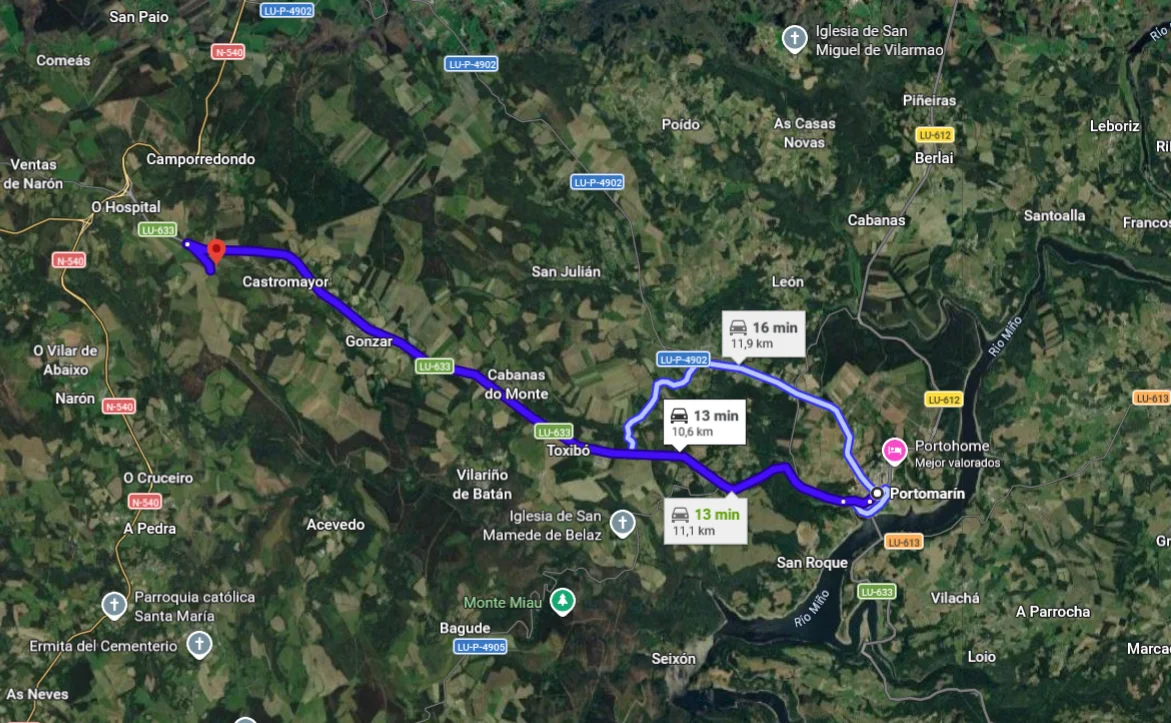
How to get to the Castro de Castromaior from Portomarín
The Castro de Castromaior is just a few minutes' drive from the centre of Portomarín and can also be reached on foot from the Camino de Santiago itself. The access is well signposted and there is parking nearby, making it easy to visit for pilgrims and for travellers touring the Ribeira Sacra by car.
Tips for your visit
To make the most of your visit, keep a few tips in mind:
Wear comfortable shoes, as part of the route is on uneven ground.
Avoid the middle of the day in summer, as there is hardly any shade.
Allow at least an hour to explore the site at a relaxed pace.
If you are interested in archaeology, check the information on the official Ribeira Sacra Tourism website beforehand, where you will find resources on this and other sites in the area.
Discover the heritage of Portomarín from PortoHome
The Castro de Castromaior shows that Portomarín is much more than a stage of the Camino de Santiago. Its historical, natural and cultural riches make the area an ideal destination for anyone wanting to get to know the most authentic Galicia.
If you stay at PortoHome, you can visit the hillfort at your own pace and go on to discover other iconic places in Portomarín and the Ribeira Sacra from a fully equipped home, designed for unhurried travel.